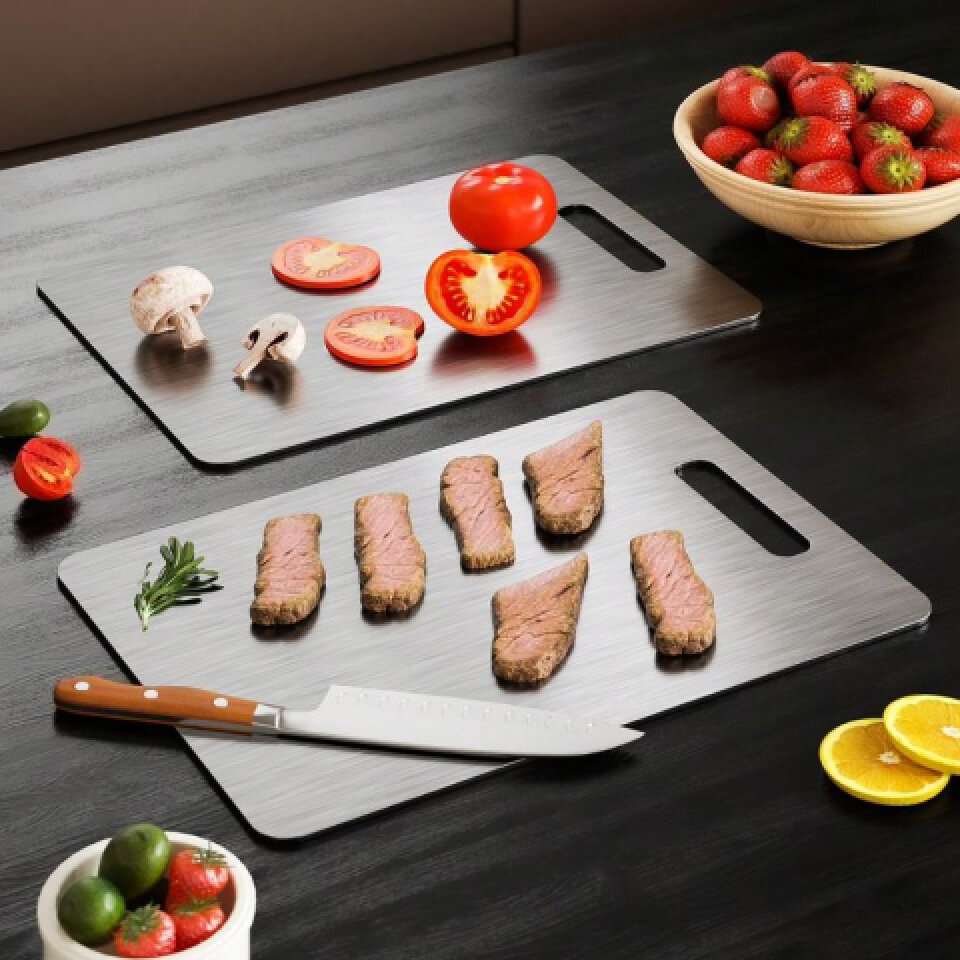
Six weeks of daily use. Here is where we bought ours.
Check today's price at the official store →My cutting board was plastic — cheap, light, dishwasher-safe. It sat on my counter in Toronto for years. Then I read a study that changed how I look at it.
What a 2023 study found about plastic boards
Researchers published a study in Environmental Science & Technology (American Chemical Society, 2023) measuring what happens to a plastic cutting board every time a knife comes down on it. The finding was hard to ignore:
Those particles are too small to see. A 2024 study in Scientific Reports detected microplastics in human blood. Scientists are still working out what it means — but it was enough to make me rethink the one piece of plastic I press a knife into every day.
"To be clear: no cutting board is a health product. But if I was going to replace mine anyway, I wanted a material that doesn't shed particles at all."
Why I landed on titanium
Every other option has a catch. Wood and bamboo are porous — they soak up juices and odours, so raw meat is a real concern. Glass and stone destroy knife edges. Plastic is the material the study measured.
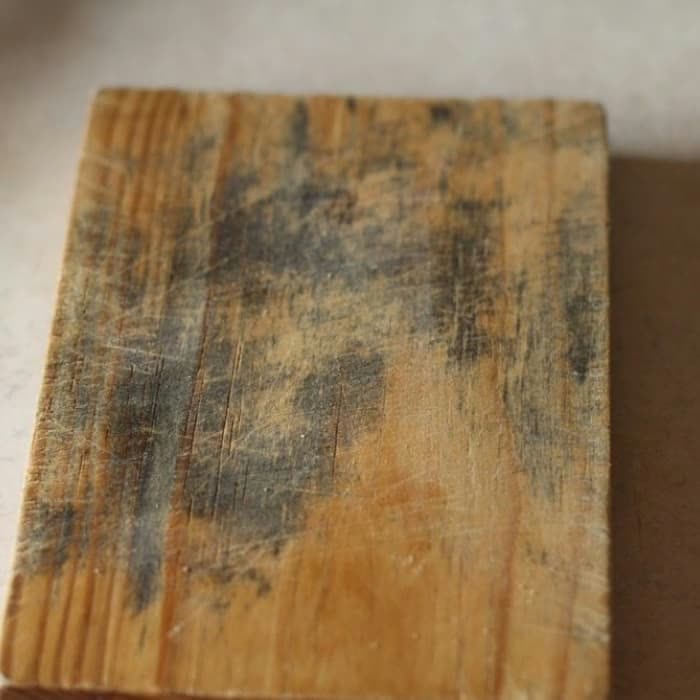
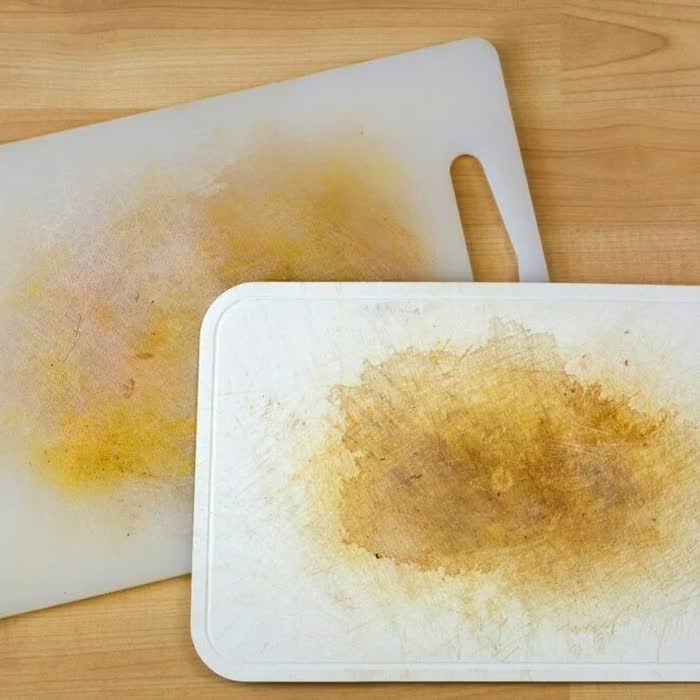
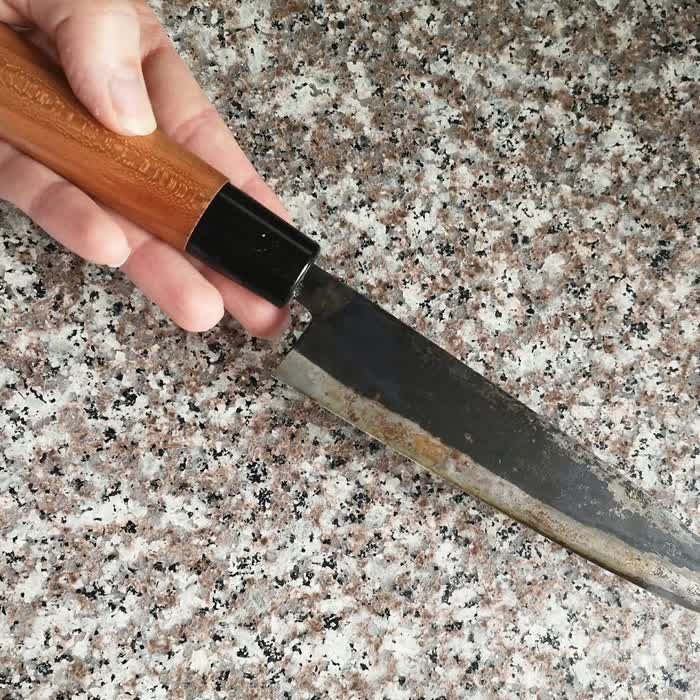
Titanium is the odd one out: non-porous like glass, but far gentler on a blade. It doesn't absorb liquid or odour, it doesn't shed plastic particles, and it's the same metal used in surgical tools precisely because it endures. The catch, historically, was that nobody made a titanium board for home kitchens. That's the gap the Katori moved into — and it's the one readers kept asking me about.
My six weeks with the Katori
I used it for everything: dicing onions, breaking down a chicken, slicing strawberries, chopping herbs. First impressions: it's thinner and lighter than I expected — closer to a baking sheet than a butcher's block — with a brushed surface and a handle cut into the top edge. It went from counter to sink to dishwasher without any of the ritual maintenance my old wood board demanded.
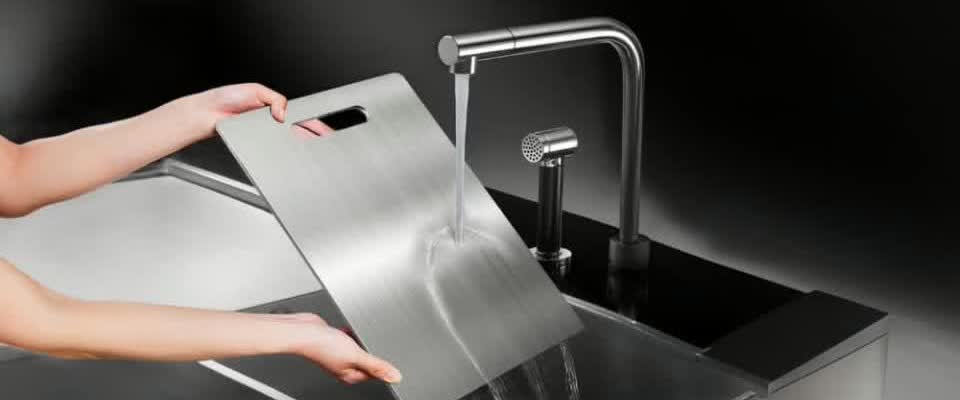
Three things stood out. Nothing stained it — turmeric, beet juice, tomato sauce, all rinsed straight off. It never held a smell, even after garlic and raw fish. And my knives didn't suffer the way I feared they would on a metal board; the surface has a bit more give than glass, and my chef's knife held its edge through normal weekly sharpening.
A closer look
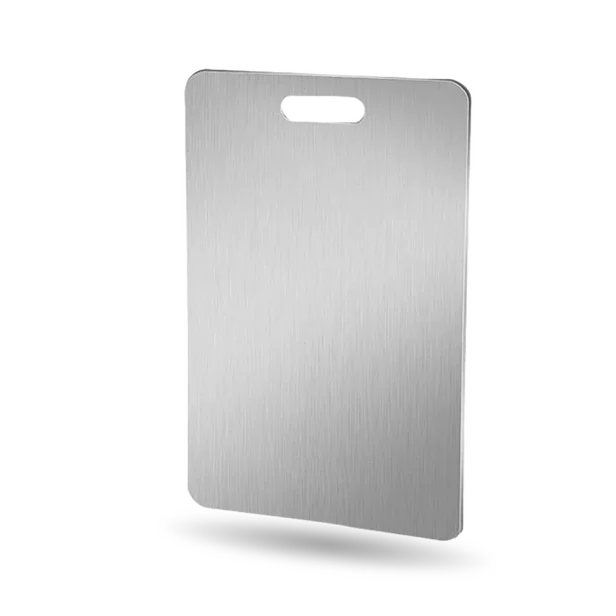
Click the thumbnails: the board in the studio, in use, under the tap, and in the dishwasher.
What I liked
- Non-porous — doesn't absorb juices, odours or stains
- Doesn't shed plastic particles the way plastic boards do
- Gentler on knife edges than glass or stone
- Rinses clean in seconds; dishwasher-safe
- Light enough to take to the cottage or the campsite
What could be better
- Noisier than wood under a fast knife
- No non-slip base — use a damp cloth on smooth counters
- Fine cosmetic marks appear with use
- Costs more than a basic plastic board
- Look-alike boards with similar names sell on marketplaces — ours came from the brand's own store
Where to buy the Katori in Canada
It ships to Canada, and at the time of writing there's a limited-time discount running — up to 75% off on multi-board bundles.
Check today's price →How the materials compare
| Titanium | Plastic | Wood | Glass | |
|---|---|---|---|---|
| Sheds microplastics | No | Yes | No | No |
| Absorbs odour / juices | No | Some | Yes | No |
| Gentle on knives | Yes | Yes | Yes | No |
| Easy to clean | Yes | Yes | Harder | Yes |
| Holds up over years | Yes | Wears down | Needs care | Can chip |
The bottom line
A cutting board will not transform anyone’s health, and I will not pretend otherwise. But it is the easiest piece of plastic in a kitchen to reconsider. After six weeks, the Katori earned its spot on my counter — and the 30-day guarantee meant trying it carried no real risk.
Take a look at the Katori
See current pricing and sizes at the official store.
See the Katori board →FAQ
Is it safe to cut on titanium?
Will it dull my knives?
Can it go in the dishwasher?
Where can I buy it in Canada?
What if I don't like it?
Disclosure: This is an independent editorial review. This page is not the official Katori store. If you purchase through links on this page, we may earn a commission at no extra cost to you. Product images and footage courtesy of the manufacturer's press materials.
Sources: American Chemical Society — Environmental Science & Technology, 2023 · Scientific Reports (Nature), 2024